
Can Foreigners Buy Property in Italy? Rights & Rules 2026
Yes, foreigners can buy Italian property with full ownership rights. EU citizens buy freely; non-EU need reciprocity check. No quota, no investment visa.…
By Italian Estate Editorial · Updated June 14, 2026 · 13 min read
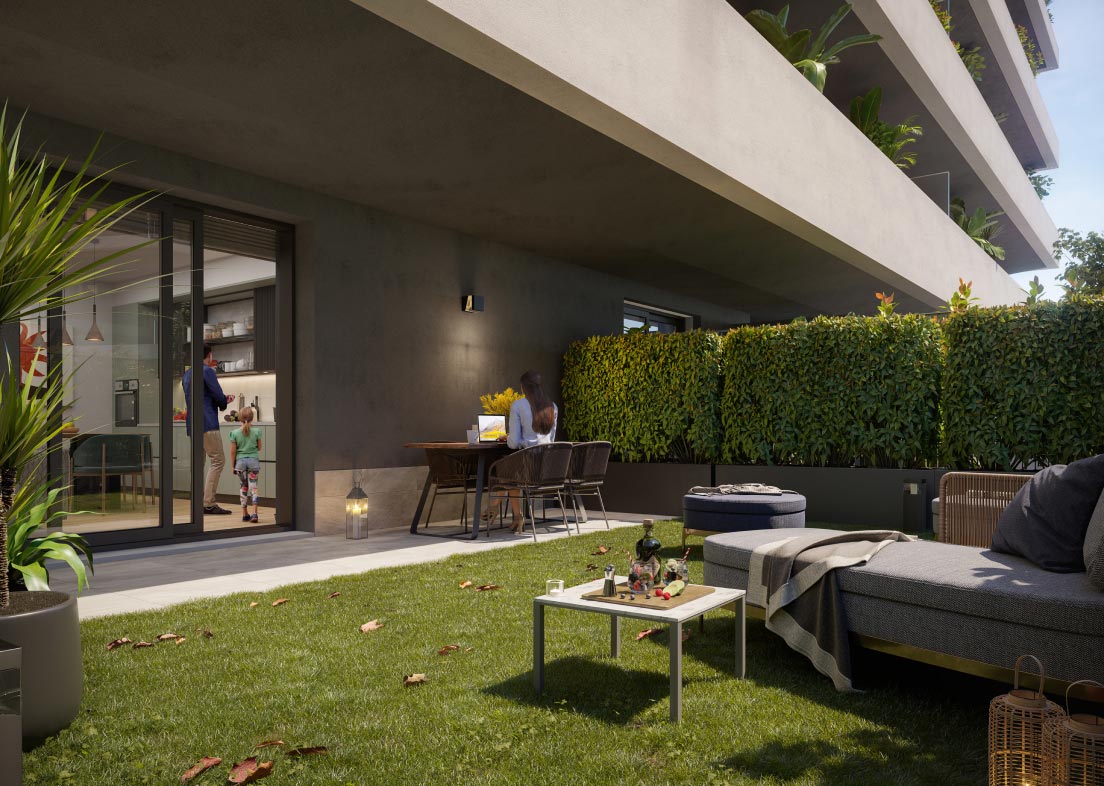
Quick answer: Yes. EU citizens can buy Italian property freely with full ownership rights. Non-EU citizens (including Americans, British, Australians) can buy under reciprocity agreements that grant identical ownership rights. No investment minimum, no buyer quotas. Foreign buyers represent 5.1% of Italian property transactions with full piena proprietà registration.
If you searched “can foreigners buy property in Italy,” you want legal certainty and practical differences. The legal answer is yes for qualified foreign nationals, both EU and non-EU buyers receive identical ownership rights through Italy’s reciprocity system. The practical differences sit in banking requirements, tax treaties, and documentation depth, not in your ability to hold registered title.
For the complete purchase process including notaio procedures and costs, see our foreign buyer guide. For investment analysis and market data, read our Italy property investment guide.
The direct answer: Italian property law for foreigners
Foreign nationals receive piena proprietà, full registered ownership, on standard residential property when reciprocity and legal requirements are met. EU citizenship removes barriers; non-EU citizenship requires reciprocity verification but grants identical ownership rights.
| Question | EU Citizens | Non-EU Citizens |
|---|---|---|
| Can buy residential property? | Yes, freely | Yes, if reciprocity exists |
| Ownership type | Full freehold (piena proprietà) | Full freehold (piena proprietà) |
| Registration process | Standard at Conservatoria | Standard at Conservatoria |
| Investment minimum | None | None |
| Need Italian residency? | No | No |
| Regional restrictions | Border zones only | Border zones only |
Italy’s reciprocity system ensures non-EU buyers from qualifying countries receive identical ownership rights to Italian citizens. The notaio verifies reciprocity during the purchase process, this is administrative, not a negotiable condition.
Foreign buyer activity demonstrates normalized access: 5.1% of Italian residential transactions involve foreign purchasers, with strong representation in Tuscany, Lombardy, and coastal regions where international buyers seek lifestyle and investment properties.
Reciprocity rules: which countries qualify
Italy’s reciprocity requirement for non-EU buyers operates as a bilateral agreement system. If your country allows Italian citizens to purchase property, Italian law grants you equivalent rights. This system has created a wide network of qualifying nations.
| Country | Reciprocity Status | Ownership Rights | Notes |
|---|---|---|---|
| United States | Yes | Full piena proprietà | Strong bilateral agreement |
| United Kingdom | Yes | Full piena proprietà | Post-Brexit status maintained |
| Australia | Yes | Full piena proprietà | Comprehensive reciprocal treaty |
| Canada | Yes | Full piena proprietà | Federal and provincial recognition |
| Japan | Yes | Full piena proprietà | Modern bilateral framework |
| Switzerland | Yes | Full piena proprietà | Non-EU but strong ties |
| Norway | Yes | Full piena proprietà | EEA relationship maintained |
| Russia | Limited | Case-by-case review | Restricted due to current relations |
| China | Limited | Corporate structures often used | Individual cases reviewed |
Verification process: The notaio requests reciprocity confirmation from the Italian Ministry of Foreign Affairs during due diligence. For major countries like US, UK, and Australia, this is routine administrative step taking 2-3 weeks.
New reciprocity agreements: Italy periodically expands reciprocity. Recent additions include several Asian and Middle Eastern nations as bilateral investment relationships strengthen.
What foreigners can and cannot buy
Italy distinguishes between different property types and locations when applying foreign ownership rules. Most international buyer interest focuses on residential property in established regions where restrictions are minimal.
| Property Type | EU Citizens | Non-EU (Reciprocity Countries) | Restrictions |
|---|---|---|---|
| Urban residential apartments | Freely | Freely | None |
| Urban villas and townhouses | Freely | Freely | None |
| Rural residential (under 2 hectares) | Freely | Freely | None |
| Agricultural land (over 2 hectares) | Restricted | Restricted | EU farming requirements |
| Border zone property | Restricted | Restricted | Security clearance needed |
| Historic properties (vincoli) | Yes with permits | Yes with permits | Superintendence approval |
Border zone restrictions: Properties within 150km of certain borders require security clearance. This affects some Alpine and northern regions but rarely impacts mainstream residential purchases in Tuscany, Rome, or coastal areas.
Agricultural land: Purchases over 2 hectares face EU Common Agricultural Policy restrictions requiring farming credentials or business plans. Most lifestyle buyers acquire under this threshold.
Historic properties: Buildings with cultural protection (vincoli storici) require Superintendence of Cultural Heritage approval for modifications. Ownership is permitted; renovation faces additional oversight.
Codice fiscale: the mandatory tax identifier
The codice fiscale serves as Italy’s equivalent to a social security number for tax and legal purposes. Every foreign buyer needs one before completing a property purchase, it’s non-negotiable for registration at the Conservatoria.
| Codice Fiscale Requirement | Detail |
|---|---|
| Who needs it | Every foreign buyer named on the deed |
| Application location | Italian consulate or Agenzia delle Entrate office |
| Required documents | Passport, proof of birth date/place |
| Processing time | Same day in Italy, 2-4 weeks at consulates |
| Cost | Free |
| Validity | Permanent, no renewal needed |
Application strategy: Apply early in your property search process. The codice fiscale is required for opening Italian bank accounts, signing preliminary contracts, and final deed registration. Late application commonly delays closings.
Consulate vs. Italy: If applying abroad, check consulate backlogs which vary significantly by location and season. Applying in Italy during a property viewing trip is often faster.
Corporate buyers: Companies need Italian tax identification through different processes requiring local legal formation or branch registration.
EU vs non-EU: ownership identical, process differs
Foreign buyers often conflate ownership rights with administrative procedures. While ownership outcomes are identical for EU and qualified non-EU buyers, the path to completion involves different documentation and verification steps.
| Process Element | EU Citizens | Non-EU (Reciprocity Countries) |
|---|---|---|
| Ownership type received | Piena proprietà | Piena proprietà |
| Conservatoria registration | Standard process | Standard process |
| Codice fiscale required | Yes | Yes |
| Reciprocity verification | Not needed | Notaio requests confirmation |
| Banking documentation | Standard EU procedures | Enhanced due diligence |
| Mortgage availability | Standard terms | Typically 50-70% LTV |
| Tax treaty benefits | Automatic | Depends on home country treaty |
Key insight: Non-EU buyers should budget extra time for reciprocity verification and bank account opening, but the legal ownership outcome is identical to EU buyers.
Documentation depth: Non-EU buyers typically provide more extensive source-of-funds documentation to satisfy Italian anti-money laundering requirements and bank compliance protocols.
Regional patterns: where foreigners actually buy
Foreign buying activity concentrates in specific regions driven by lifestyle appeal, investment potential, and established international communities. Understanding these patterns helps assess market depth and resale liquidity.
| Region | Foreign Buyer Share | Primary Nationalities | Average Price Range |
|---|---|---|---|
| Tuscany | ~15% | US, UK, German | €300k - €2M+ |
| Lombardy (Lakes) | ~12% | Swiss, German, UK | €400k - €3M+ |
| Liguria (Riviera) | ~18% | French, UK, Russian | €250k - €1.5M |
| Rome/Lazio | ~8% | US, UK, French | €200k - €1M+ |
| Sicily | ~22% | UK, German, French | €80k - €500k |
| Puglia | ~25% | UK, German, Dutch | €100k - €800k |
Emerging markets: Southern regions like Puglia and Sicily show highest foreign percentages due to affordability and lifestyle appeal. Northern lakes maintain premium pricing with established international buyer pools.
Market infrastructure: Regions with higher foreign activity typically offer better English-speaking legal and real estate services, established property management, and international banking relationships.
Documents foreigners need before purchase
Italian property purchases require extensive documentation for both legal compliance and banking requirements. Foreign buyers should prepare comprehensive file packages early in the process.
| Document Category | EU Citizens | Non-EU Citizens | Timeline |
|---|---|---|---|
| Identity verification | EU passport/ID | Passport + visa status | Before codice fiscale |
| Tax identification | Codice fiscale | Codice fiscale + reciprocity | 2-4 weeks lead time |
| Banking setup | Italian bank account | Italian bank account + enhanced KYC | 2-6 weeks |
| Financial proof | Income/asset statements | Enhanced source of funds | Before preliminary contract |
| Legal representation | Italian lawyer required | Italian lawyer required | Before any deposits |
Source of funds documentation: Italian banks and notai increasingly require detailed proof of funds origin, especially for cash purchases over €100,000. Prepare bank statements, employment contracts, or asset sale documentation.
Power of attorney option: Remote buyers can grant power of attorney to Italian lawyers for signing, but banks typically require personal appearance for account opening.
Costs and taxes for foreign owners
Property purchase in Italy involves significant upfront costs and ongoing tax obligations that vary based on buyer residency status and property use. Foreign buyers should budget 10-15% above purchase price for transaction costs.
| Cost Category | First Home (Residents) | Second Home/Investment | Foreign Non-Residents |
|---|---|---|---|
| Registration tax | 2% | 9% | 9% |
| Mortgage tax | 0.25% | 2% | 2% |
| Cadastral tax | €50 | €50 | €50 |
| Notaio fees | 0.8-2% of value | 0.8-2% of value | 0.8-2% of value |
| Legal fees | 1-2% | 1-2% | 1-2% |
| Agent commission | 2-3% | 2-3% | 2-3% |
| Total estimated | 4-7% | 15-22% | 15-22% |
For complete cost breakdowns and fee calculations, see our detailed cost of buying property in Italy guide. |
Ongoing obligations:
- IMU (property tax): 0.4-1.06% annually on cadastral value
- TASI (service tax): ~0.1% annually
- Income tax on rentals: 21% cedolare secca or progressive rates
- Wealth tax: For high-value properties and non-resident owners
Tax residency impact: Italian tax residents can claim primary residence benefits reducing registration tax to 2%. Non-residents pay investment property rates regardless of intended use.
Restrictions that rarely affect residential buyers
While Italian law contains various property restrictions, most target agricultural land, strategic assets, or border regions that don’t overlap with typical foreign residential buyer interests.
| Restriction Type | Scope | Impact on Residential Buyers |
|---|---|---|
| Border zone limitations | Within 150km certain borders | Rare for lifestyle properties |
| Agricultural land rules | Holdings over 2 hectares | Avoided by buying under threshold |
| Historic building controls | Properties with vincoli | Ownership permitted, renovation restricted |
| EU agricultural policy | Farming operations | Not applicable to residential use |
| Strategic asset controls | Defense-related properties | Never affects residential |
Practical navigation: Work with experienced Italian lawyers who understand regional variations. What appears restrictive in national law often has practical workarounds or doesn’t apply to standard residential purchases.
Banking and financing for foreign buyers
Italian banks lend to foreign buyers, but terms and documentation requirements differ significantly from domestic mortgages. Non-resident buyers typically access 50-70% loan-to-value ratios with comprehensive income verification.
| Banking Element | Italian Residents | EU Non-Residents | Non-EU Non-Residents |
|---|---|---|---|
| Maximum LTV | Up to 80% | 60-70% typical | 50-70% typical |
| Income verification | Italian tax returns | Home country tax docs | Enhanced documentation |
| Interest rates | Standard variable/fixed | Premium of 0.5-1.5% | Premium of 1-2% |
| Banking relationship | Simple setup | EU passport sufficient | Full due diligence required |
| Property insurance | Required | Required | Required + extended coverage |
Pre-approval strategy: Secure mortgage pre-approval before signing preliminary contracts. Italian closings typically allow 60-90 days, but foreign buyer documentation can extend timelines.
Alternative financing: Some foreign buyers use home country mortgages secured against domestic properties, avoiding Italian banking requirements while accessing better rates.
Investment vs lifestyle: buyer motivations and outcomes
Foreign property buyers in Italy typically fall into distinct categories with different risk profiles, holding periods, and outcome expectations. Understanding these patterns helps set realistic expectations.
| Buyer Profile | Typical Budget | Primary Regions | Hold Strategy | Key Risks |
|---|---|---|---|---|
| Lifestyle/Retirement | €200k-€800k | Tuscany, Umbria, Sicily | Long-term personal use | Maintenance, local services |
| Luxury lifestyle | €800k-€3M+ | Lakes, Rome, Florence | Mixed use/status | High carrying costs |
| Rental investment | €150k-€500k | Coastal, tourism areas | Income generation | Tourist regulation changes |
| Restoration project | €50k-€300k | Rural Tuscany, Sicily | Value-add renovation | Permit complexity, cost overruns |
Performance reality: Italian property typically appreciates 2-4% annually in established regions, with rental yields of 3-6% in tourism areas. Factor 15-22% transaction costs into total return calculations.
Exit liquidity: Foreign buyers often underestimate resale timelines. Prime properties in international areas may sell within 6-12 months; rural or unique properties often require 12-24+ months to find qualified buyers.
Common myths and outdated information
Property marketing and second-hand advice frequently perpetuate misconceptions about foreign ownership in Italy. Several persistent myths deserve clarification based on current law and market practice.
| Myth | Reality 2026 |
|---|---|
| ”Non-EU citizens cannot buy” | False, reciprocity system allows most developed nations |
| ”You need €500k minimum investment” | False, no minimum purchase threshold exists |
| ”Property purchase grants residency” | False, Italy has no investor visa program |
| ”Only EU citizens get mortgages” | False, banks lend to non-EU with higher requirements |
| ”Tuscany is off-limits to Americans” | False, Americans actively buy with reciprocity |
| ”You must be resident to buy” | False, non-residents buy regularly |
Regional spotlight: top foreign buyer destinations
Different Italian regions attract distinct foreign buyer profiles based on pricing, lifestyle appeal, and investment characteristics. Understanding regional dynamics helps target appropriate search areas.
Tuscany: Americans and British dominate, seeking lifestyle properties and renovation projects. Prices range €300k-€2M+ with strong resale markets in established areas like Chianti and Val d’Orcia.
Lombardy Lakes: Swiss, German, and UK buyers focus on Como, Maggiore, and Garda. Premium pricing €400k-€3M+ reflects established international communities and proximity to Switzerland.
Liguria (Italian Riviera): French buyers leverage proximity; UK and Russians seek coastal lifestyle. More affordable than Tuscany at €250k-€1.5M range with tourism rental potential.
Sicily: Highest foreign percentage (~22%) driven by affordability and lifestyle appeal. UK, German, and French buyers target coastal and historic properties €80k-€500k.
Puglia: Emerging destination with ~25% foreign share. UK, German, and Dutch buyers attracted by authenticity and value. Properties typically €100k-€800k with strong renovation potential.
Legal timeline: from search to ownership
Italian property purchases follow predictable legal timelines when documentation is prepared properly. Understanding standard phases helps plan financing and logistics.
| Timeline Phase | Duration | Key Activities | Foreign Buyer Considerations |
|---|---|---|---|
| Pre-search setup | 2-6 weeks | Codice fiscale, bank account, lawyer | Start early; consulate delays possible |
| Property search | Variable | Viewings, market research, offers | Consider seasonal access to rural properties |
| Preliminary contract | 1-2 weeks | Compromesso signing, deposit payment | Reciprocity verification begins |
| Due diligence | 4-8 weeks | Title search, permits, surveys | Extended for historic properties |
| Mortgage approval | 6-12 weeks | Bank processing, valuation, approval | Longer for non-EU buyers |
| Final closing | 1 week | Rogito at notaio, registration, keys | All parties must attend or grant POA |
Critical path: Reciprocity verification and mortgage approval typically determine overall timeline. Foreign buyers should begin both processes immediately after preliminary contract signing. For step-by-step purchase procedures, review our how to buy Italy property guide.
Due diligence essentials for foreign buyers
Italian property due diligence involves multiple verification layers essential for foreign buyers unfamiliar with local legal and administrative systems. Missing steps can create costly future problems.
| Due Diligence Element | Standard Check | Foreign Buyer Focus |
|---|---|---|
| Title verification | Conservatoria search | Chain of title clarity |
| Planning compliance | Commune permits check | Renovation/extension rights |
| Tax status | Cadastral classification | IMU/TASI implications |
| Debt attachments | Mortgage/lien search | Clear title for registration |
| Building permits | Construction legality | Avoid future demolition risks |
| Condominium status | Administrator reports | Shared costs and restrictions |
Professional team: Foreign buyers require Italian lawyer, surveyor familiar with local regulations, and potentially architect for renovation assessment. This professional cost should be budgeted at 1-2% of purchase price. For detailed due diligence procedures, see our complete due diligence guide.
Corporate ownership structures
Foreign buyers sometimes consider corporate ownership for tax planning, privacy, or multi-investor arrangements. Italian corporate structures offer benefits but add complexity and ongoing compliance obligations.
| Ownership Structure | Benefits | Obligations | Best For |
|---|---|---|---|
| Personal ownership | Simple, direct control | Personal tax obligations | Single owner, clear succession |
| Italian SRL | Limited liability, tax planning | Annual accounts, board meetings | Multiple investors, rental business |
| EU holding company | Tax treaty benefits | Complex compliance | High-value, multi-property holdings |
| Trust structures | Privacy, succession planning | Professional management required | Wealth preservation, family office |
Decision factors: Corporate ownership may optimize tax treatment for rental income or capital gains, but adds annual compliance costs of €2,000-€8,000+ depending on structure complexity.
Rental income and tax implications
Foreign property owners must navigate Italian tax obligations for rental income, which vary significantly based on tax residency status and property management approach.
| Tax Treatment | Italian Residents | Non-Residents (EU) | Non-Residents (Non-EU) |
|---|---|---|---|
| Rental tax rate | 21% cedolare secca option | Progressive rates 23-43% | Progressive rates 23-43% |
| Tax treaties | Not applicable | Often available | Varies by country |
| Withholding | Not required | May apply | May apply |
| Filing requirements | Annual return | Annual return | Annual return |
| Social contributions | May apply | Generally not | Generally not |
Cedolare secca option: Italian residents can elect 21% flat tax on rental income, waiving annual rent increases. Non-residents typically cannot access this benefit, facing progressive tax rates.
Professional management: Many foreign owners use Italian property management companies handling rentals, tax filings, and compliance. Management fees typically run 8-15% of rental income.
Insurance and property protection
Italian property insurance requirements and options differ from many home countries, with specific considerations for foreign owners who may not maintain year-round presence.
| Insurance Type | Legal Requirement | Recommended Coverage | Foreign Owner Considerations |
|---|---|---|---|
| Building insurance | Mortgage lenders require | Full replacement value | Extended vacancy coverage |
| Contents insurance | Optional | Personal property protection | International coverage limits |
| Civil liability | Condominium may require | Public liability protection | Higher limits for rental properties |
| Legal expenses | Optional | Property dispute coverage | Language barrier protection |
Specialized policies: Some Italian insurers offer foreign owner packages including emergency property management, translation services, and international claims handling.
Property management for non-resident owners
Foreign owners maintaining Italian properties while residing abroad require reliable local management services for maintenance, rentals, and regulatory compliance.
| Management Service | Typical Cost | Service Scope | Selection Criteria |
|---|---|---|---|
| Full property management | 8-15% rental income | Complete oversight | Local reputation, English capability |
| Maintenance only | €100-€300 monthly | Upkeep, emergency response | Technical expertise, responsiveness |
| Rental management | 10-20% rental income | Marketing, guest services | Tourism market knowledge |
| Legal/tax compliance | €1,000-€3,000 annually | Filings, regulatory updates | Professional qualifications |
Service integration: The best foreign owner outcomes typically involve integrated teams of property manager, accountant, and lawyer working together rather than separate service providers.
Regional regulations affecting foreign owners
Italian regions and municipalities increasingly regulate short-term rentals and tourist accommodations, directly affecting foreign investment property owners’ income potential.
| Region/City | Rental Regulations | Registration Requirements | Impact on Yields |
|---|---|---|---|
| Rome | Limited STR licenses | Municipality registration | Yield caps in historic center |
| Florence | Quota system for STR | Strict neighbor consent rules | Premium for licensed properties |
| Venice | Tourist tax and limits | Complex permit system | High returns but restricted supply |
| Tuscany (rural) | Generally permissive | Basic registration | Good yields in wine regions |
| Sicily | Developing framework | Varies by commune | Opportunity before restrictions |
Regulatory trend: Tourist-heavy regions increasingly limit short-term rentals to manage overtourism. Foreign investors should verify current regulations before purchase and factor future restriction risk into projections.
Exit strategies and resale considerations
Foreign property owners should plan exit strategies considering Italian transfer procedures, tax implications, and market liquidity patterns specific to international buyer segments.
| Exit Scenario | Tax Implications | Timeline Expectations | Process Considerations |
|---|---|---|---|
| Sale to Italian buyer | Capital gains tax may apply | 6-18+ months | Broader buyer pool |
| Sale to foreign buyer | Plus value tax potential | 12-24+ months | Limited to international areas |
| Inheritance transfer | Succession tax obligations | Administrative complexity | Professional estate planning needed |
| Corporate sale | Different tax treatment | Variable | Structure-dependent |
Capital gains treatment: Italian residents pay progressive rates on capital gains; non-residents may benefit from tax treaty provisions. Professional tax advice essential for significant gains.
Market timing: Italian property markets move slowly with seasonal patterns. Plan 12-24 months for resale in most regions, with premium properties in international areas selling faster.
Practical next steps after legal confirmation
Once you’ve confirmed legal eligibility for Italian property ownership, systematic preparation ensures smooth purchase execution and long-term success.
Immediate actions:
- Apply for codice fiscale at Italian consulate or during Italy visit
- Engage Italian lawyer specializing in foreign buyer transactions
- Research target regions using foreign buyer activity data
- Prepare financial documentation for banking and source-of-funds verification
- Consider tax residency implications in both Italy and home country
Pre-purchase preparation:
- Open Italian bank account (may require personal presence)
- Secure mortgage pre-approval if financing needed
- Establish professional team: lawyer, accountant, property manager
- Research local regulations affecting intended property use
- Plan for ongoing property management if non-resident owner
Foreigners can buy Italian property because the law explicitly permits it under reciprocity agreements and EU integration, and 5.1% foreign ownership demonstrates established market access. Your focus should shift from permission to process: finding the right region, managing transaction costs, and building professional support for successful long-term ownership.
For investment evaluation including yields and market trends, read our comprehensive Italy property investment analysis guide.
Frequently Asked Questions
Yes. EU citizens buy freely, while non-EU citizens can buy under reciprocity agreements. Both receive full piena proprietà ownership registered at the Conservatoria.
No. Non-residents buy regularly with codice fiscale. Property ownership and residency are separate — Italy has no investor visa program.
Yes. The US-Italy reciprocity agreement grants Americans full ownership rights identical to Italian citizens.
No. Italy has no minimum investment threshold for foreign buyers. You can buy from €50,000 studios to luxury villas.
Transaction costs run 15-22% for non-residents. Ongoing taxes include IMU property tax and income tax on rentals at progressive rates.
See our comprehensive foreign buyer guide for step-by-step procedures, costs, and due diligence requirements after confirming eligibility here.
Get a Spain property shortlist
Tell us your budget and market (Costa Blanca, Costa del Sol, Balearic Islands). We reply within one business day with options matched to your goals.